INDUSTRY:
Blockchain
CLIENT:
Kamino
YEAR:
2024
EXPERIENCE:
Product Designer

Kamino Finance
Kamino Finance
Kamino Finance is a sophisticated DeFi ecosystem on Solana, offering a comprehensive suite of tools including high-frequency swaps, limit orders, and cross-chain bridging. As the UX/Product Designer, my mission was to reconcile the platform’s institutional-grade power with the accessibility required for retail adoption. By pivoting toward Intent-Based Design, I restructured the architecture to serve four distinct user personas: the Casual Swapper, the Active Trader, the Yield Seeker, and the Cross-chain User, ensuring that technical depth never compromised the user experience.

Design Process
1. Intent-Based Information Architecture
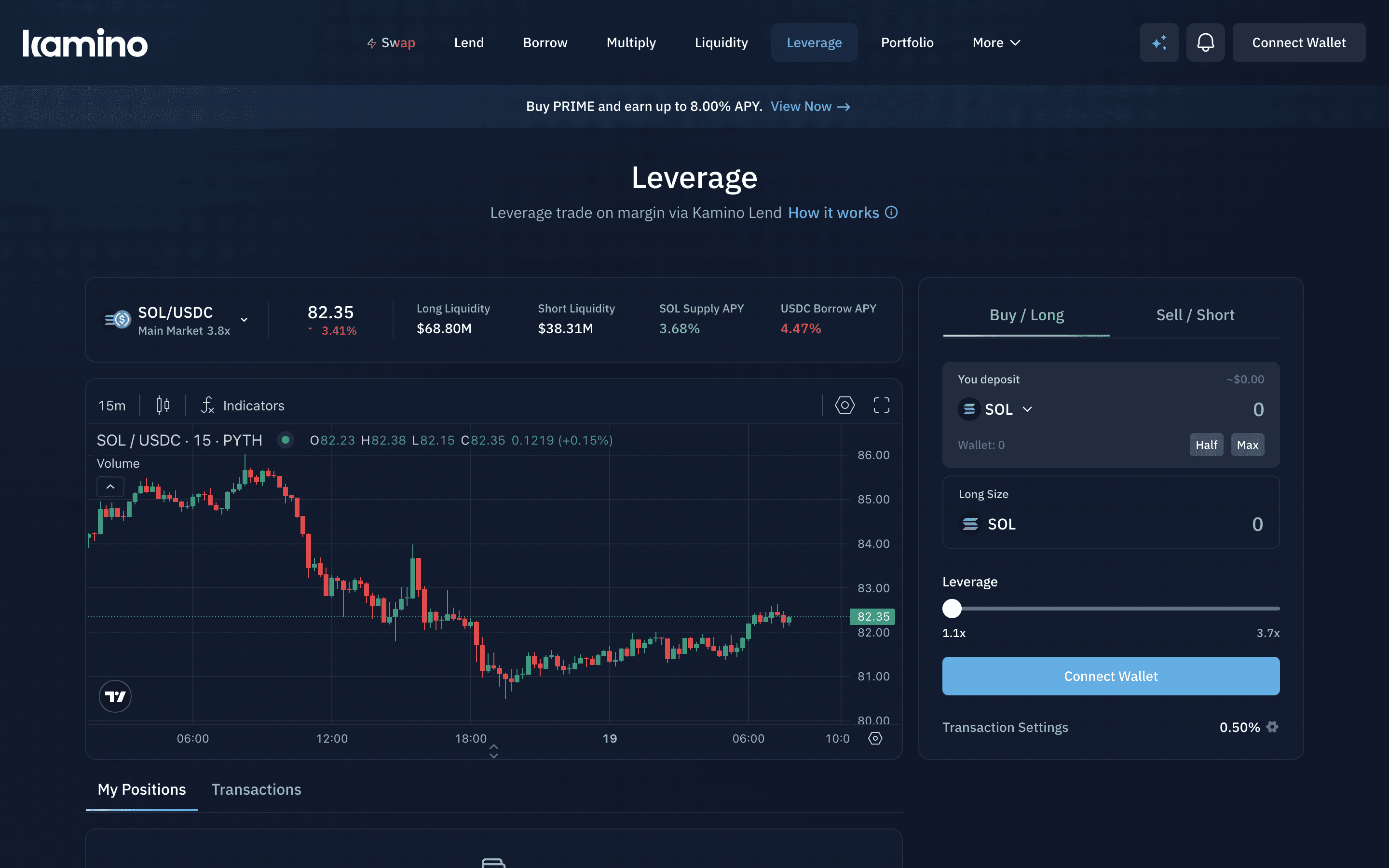
Rather than building a static, "one-size-fits-all" dashboard, I architected the interface to adapt to specific user personas. By mapping distinct user journeys, ranging from the Casual Swapper seeking low friction to the Active Trader requiring high precision, I developed mode-specific layouts. This ensured that each user type interacted with a UI optimized for their specific objectives, whether that was evaluating pool safety or executing cross-chain bridges.
2. Strategic Progressive Disclosure
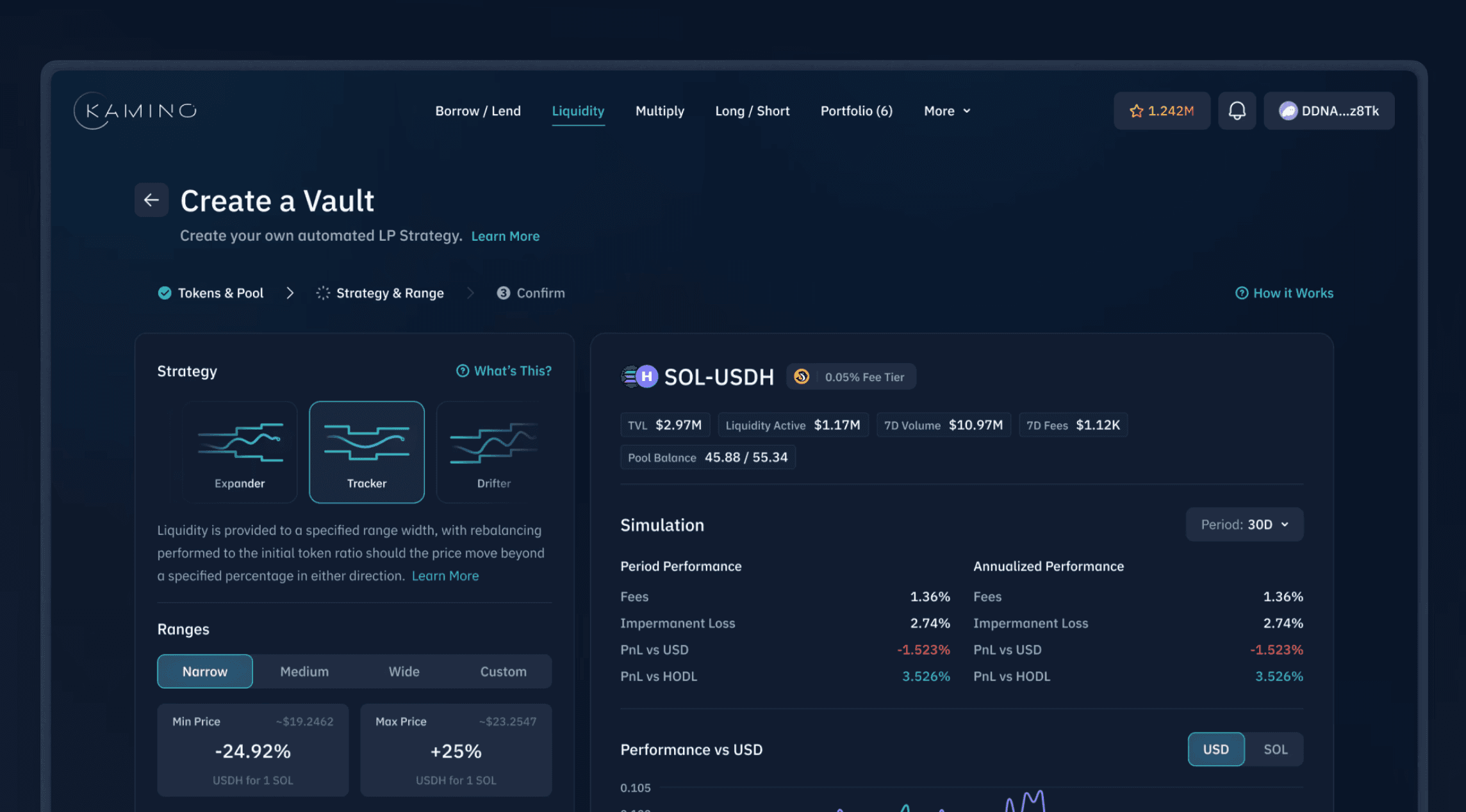
To combat the "feature density" typical of DeFi, I implemented a rigorous system of progressive disclosure. The default interface surfaces only the "Critical Path" (token selection, amount, and primary CTA).
The Result: Advanced parameters such as Stop Loss, Expiry, and Slippage are intelligently tucked into collapsible menus. This reduces initial intimidation for retail users while maintaining zero-latency access for power users.
3. Optimizing Visual Density
Liquidity pool management often suffers from data fatigue. I redesigned the listings using a Multi-State Hierarchy:
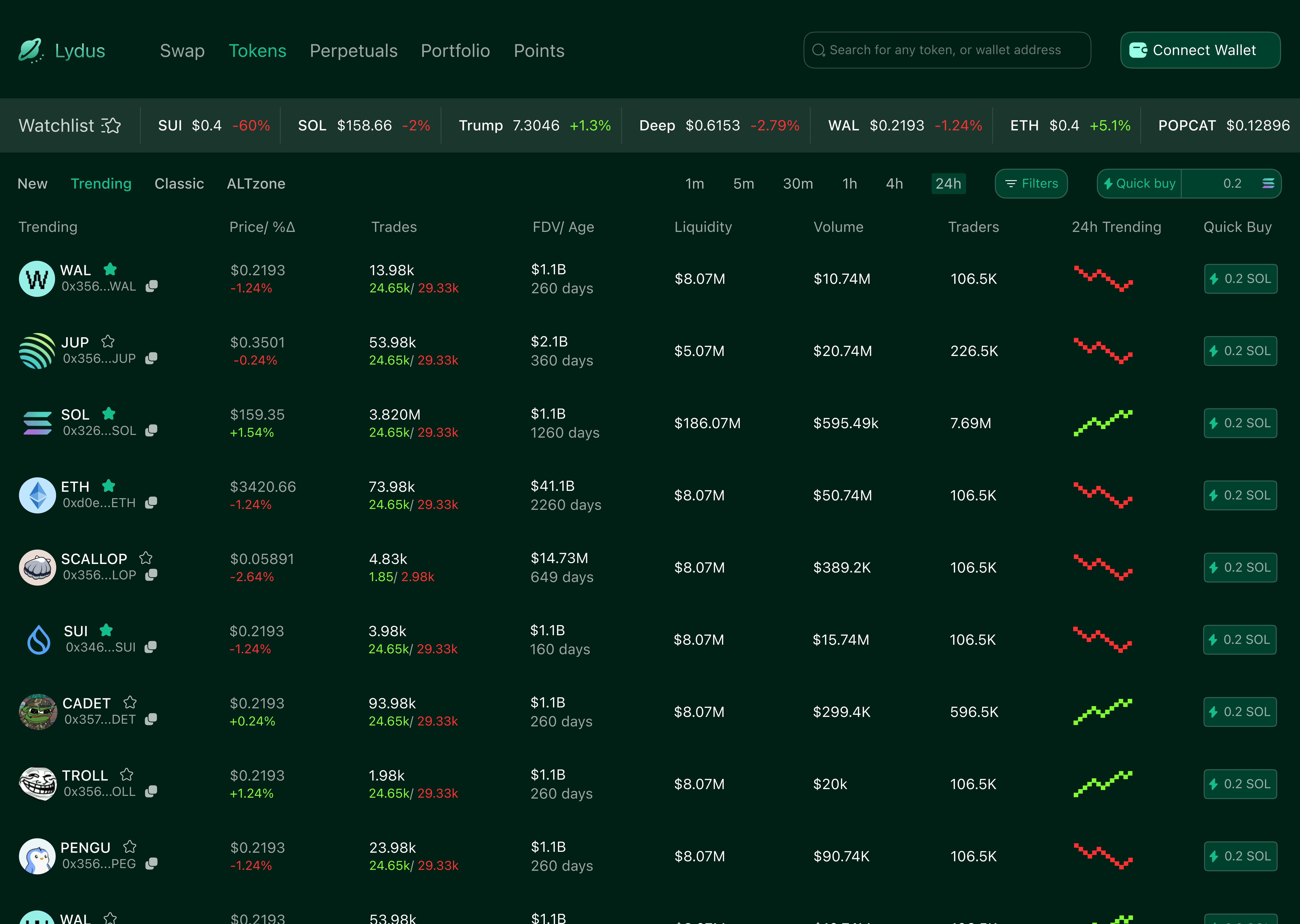
The Compact View: Prioritizes "Decision Drivers" (Pair, APR, TVL, and Risk).
The Expanded View: Surfaces granular technical data (Volume, Composition, and Audit status). This approach prioritizes rapid scanning over information overload, enabling users to transition from discovery to decision-making more quickly.
4. Asynchronous Authentication (Friction Reduction)
I decoupled the exploration phase from the wallet connection. By allowing users to configure trades and analyze data before prompting for a wallet, we reduced the "cost of entry." Connection prompts are now contextually triggered at the execution stage, using inline indicators rather than disruptive modals to maintain a seamless flow.
5. Precision Interaction & Trust Design
Technical adaptability was reinforced through high-fidelity interaction design. I integrated chart-linked Limit Order visualizations to provide immediate spatial feedback on price targets. Furthermore, the use of purposeful whitespace, vertical rhythm, and refined microcopy served to reduce the "uncertainty gap" often found in complex DeFi transactions.
Strategic Outcomes
Cognitive Load Reduction: Heuristic evaluations suggest a 40–60% decrease in first-screen density.
Scalable Framework: Established a modular UX system that allows Aftermath to launch new DeFi products without breaking the existing design language.
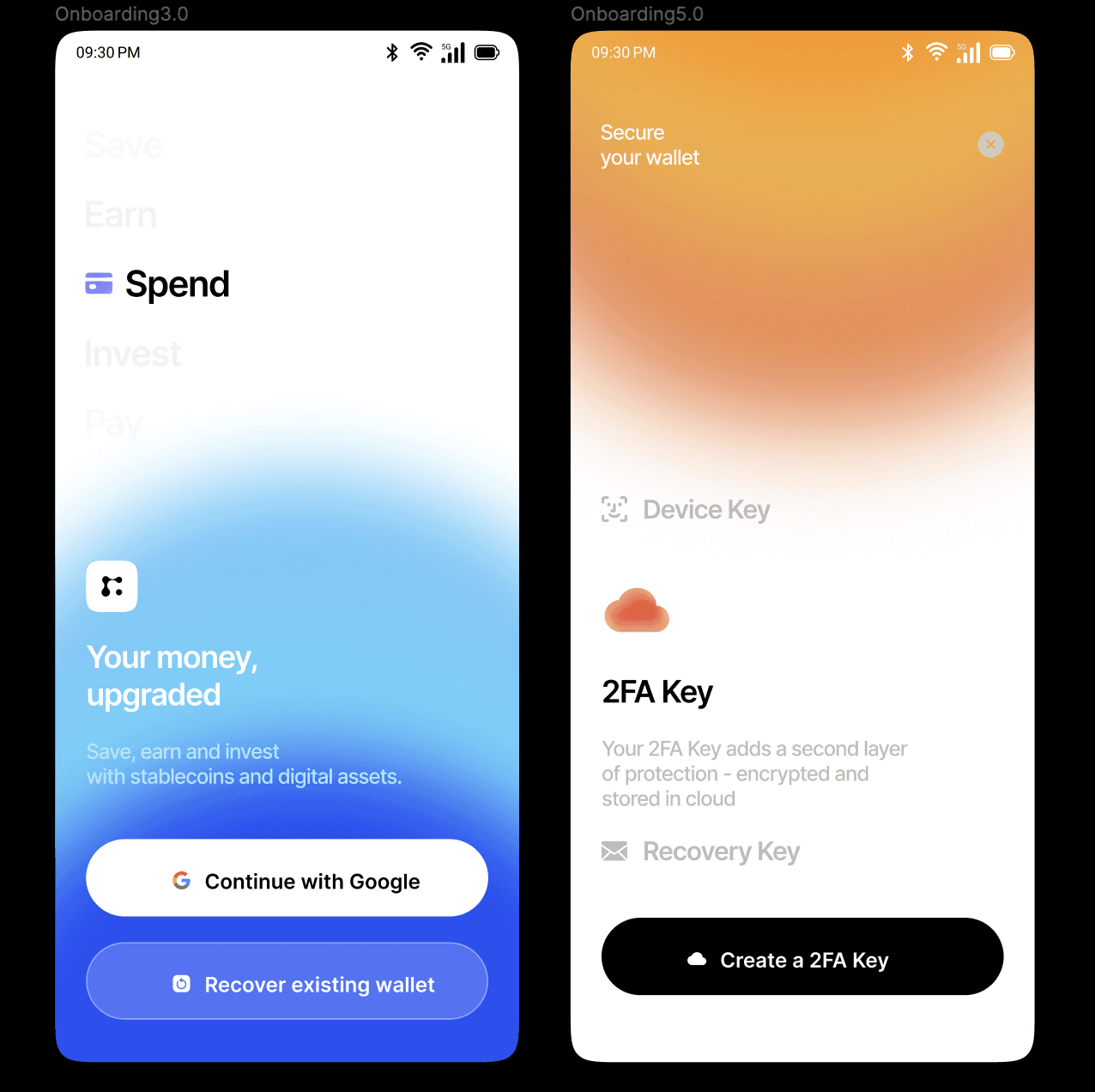
Retail-Ready Onboarding: Transformed a professional-grade tool into an approachable gateway for the broader Sui ecosystem.
Core Principles Applied
Progressive Disclosure · Intent-Based Design · Hierarchical Information Architecture · Friction Reduction · Trust-Oriented Layout

The Problem
One of the first challenges we faced was finding the right balance between Web2 familiarity and Web3 complexity. Crypto transfers come with a significant cognitive load, lengthy addresses, irreversible mistakes, and complex networks. My design philosophy is that simplicity builds trust, so I pushed for an experience that removed as much friction as possible while still keeping users informed. This sparked several internal discussions about what to hide, what to explain, and how much control users really needed. By grounding our decisions in user interviews and borrowing familiar patterns from Coinbase, we aligned on a direction that prioritized intuition over technicality.
Solution
The result is a fluid, high-conversion platform that adapts to the user’s expertise. By shifting from a "one-size-fits-all" layout to a Persona-Centric Architecture, Kamino now provides a streamlined entry point for retail swappers without sacrificing the sub-millisecond precision required by professional traders. The final UI demonstrates that technical adaptability and clean design can coexist, driving both user retention and ecosystem growth.
What was achieved
Consistency
The latest iteration of Kamino has resulted in a streamlined product with fewer unique layouts, enhancing user predictability and simplifying design choices. This not only speeds up the design process but also reduces costs effectively.
Scalability
Once the design was standardized, scalability became far simpler. Kamino's service offerings dramatically expanded, and before resolving layout issues, adding new features was a challenging task. Now, we're able to include hundreds more.
Design System
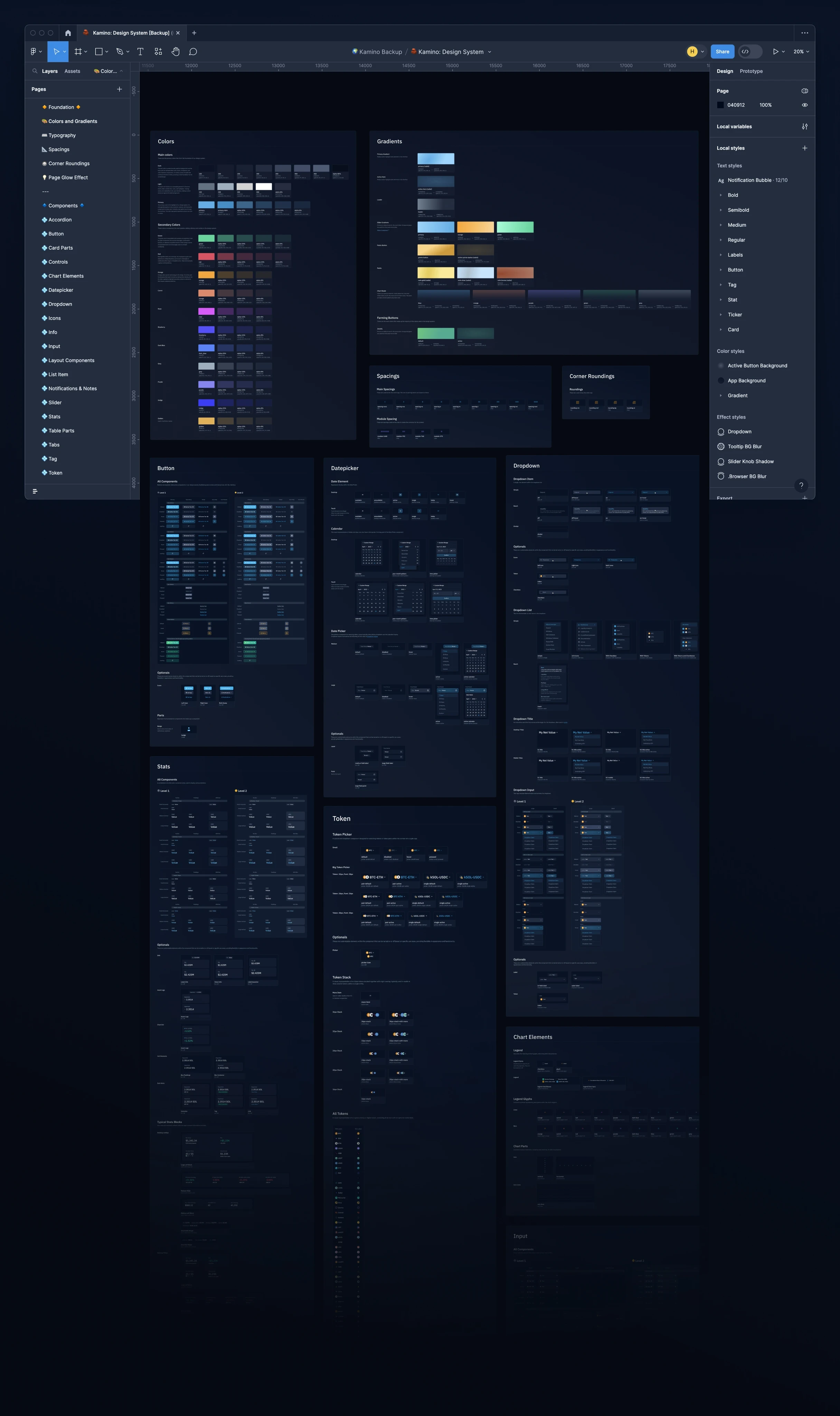
To further accelerate development, I created a comprehensive design system with numerous components. This system revolutionized module creation, simplified communication with developers, and significantly enhanced scalability and consistency.